Table of Contents
- Understanding Your Brush Removal Options
- Forestry Mulching Benefits for Long-Term Land Health
- Brush Clearing Equipment Rental vs. Professional Services
- Land Clearing Cost Per Acre and Budget Planning
- How to Prevent Brush Regrowth After Clearing
- Safety Gear, Permits, and Legal Considerations
- Post-Clearing Soil Health and Property Restoration
- Conclusion
Last Updated: August 24, 2026
Understanding Your Brush Removal Options
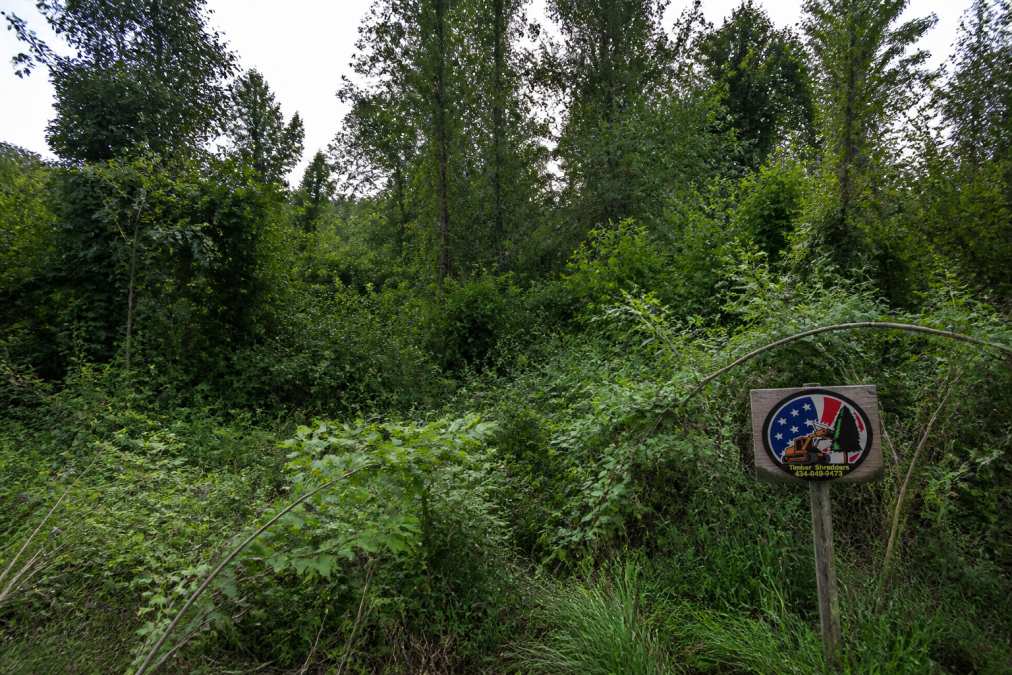
Removing brush from rural property starts with choosing the right method for your specific situation. How to remove brush from rural property depends on factors like vegetation density, terrain, budget, and your long-term land management goals. Understanding these factors helps property owners select equipment or approaches that match their actual needs.
The two main categories are manual methods and mechanical approaches. Manual clearing works for light undergrowth and small areas but becomes impractical on larger properties with dense saplings and mature brush. Mechanical methods range from rental equipment you operate yourself to professional services with heavy-duty machinery.
Understanding these options upfront prevents costly mistakes. A property with thick, mature brush mixed with stumps and rocks requires different equipment than a pasture with light saplings encroaching on fence lines.
Manual vs. Mechanical Methods
Manual brush removal involves hand tools like chainsaws, brush cutters, and machetes. This approach gives you complete control and works well for targeted clearing around structures or in sensitive areas. However, manual methods are physically demanding and time-intensive. Clearing even a quarter-acre of dense brush can take 40-60 hours of labor (peer-reviewed research).
Mechanical methods use powered equipment to clear vegetation faster. A brush hogging attachment on a tractor can handle moderate undergrowth efficiently. For heavier vegetation removal, forestry mulching equipment processes brush, saplings, and small trees into fine mulch in a single pass, eliminating the debris removal problem entirely.
The real difference between these approaches comes down to scale and efficiency. Manual clearing costs less upfront but requires significant time investment. Mechanical approaches cost more initially but dramatically reduce labor hours and debris handling.
When Forestry Mulching Outperforms Other Approaches
Forestry mulching stands out for properties with mixed vegetation, stumps, and rocks. This specialized process uses a heavy-duty mower with a grinding head that chips brush, trees up to 8 inches in diameter, and woody debris into small mulch pieces (usda.gov). The mulch stays on-site, improving soil health rather than requiring disposal.
Forestry mulching can be an effective alternative to traditional dozer clearing because it doesn’t compact soil or remove topsoil. A bulldozer pushes everything into piles that need hauling away, often damaging the land in the process. Forestry mulching preserves your soil structure while reclaiming access and visibility.
This method works well when you plan to use the land afterward, for pasture, building, or long-term vegetation management. The mulch layer suppresses regrowth of invasive species and improves soil moisture retention. Cleared areas can stay cleaner longer after forestry mulching compared to traditional methods.
Forestry Mulching Benefits for Long-Term Land Health
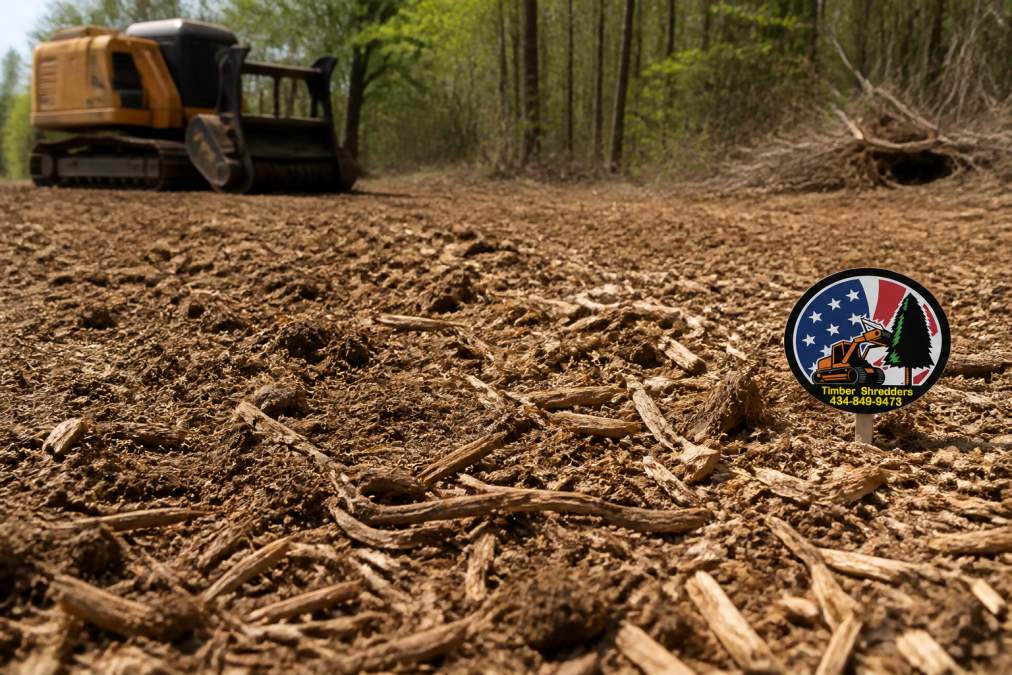
Forestry mulching benefits extend beyond immediate clearing. The process creates a natural mulch layer that improves soil structure, increases organic matter, and supports beneficial microorganisms. Unlike conventional clearing that leaves bare, compacted earth, forestry mulching can leave your land in better condition than before.
The mulch layer acts as a natural erosion control barrier. On sloped properties, this becomes critical for preventing runoff and maintaining soil stability during heavy rain. Vegetation management specialists recognize that mulched surfaces can reduce erosion significantly compared to bare soil or heavily compacted ground (peer-reviewed research).
Soil health improvements continue over time. As the mulch breaks down, it enriches the topsoil with organic material. This creates better conditions for new growth, whether you’re planning pasture reclamation, native plantings, or site preparation for construction. The land becomes more usable and productive rather than just cleared.
Forestry mulching works best on properties with 2-10 acres of moderate to heavy brush. Smaller areas might justify manual methods; larger commercial operations may require multiple passes or specialized equipment.
Brush Clearing Equipment Rental vs. Professional Services
The choice between renting equipment and hiring professionals depends on your experience level, property size, and timeline. Rental equipment like brush hogs and tractor attachments can handle moderate undergrowth on relatively flat terrain. You control the schedule and can work at your own pace.
Renting equipment requires operator experience. Running a brush hog or forestry mulching equipment incorrectly can damage your property, get stuck on rocks or stumps, or create safety hazards. Equipment rental also doesn’t include debris removal or site restoration, you’re responsible for cleanup.
Equipment Options for DIY Clearing
Common rental options include brush hogs (rotary cutters that attach to tractors), skid steer attachments, and walk-behind brush cutters. A brush hog works well for lighter vegetation and relatively open terrain. Skid steer attachments offer more versatility for varied terrain but require operator skill to avoid tipping or getting stuck.
Rental costs vary by equipment type and location. Most rental companies charge daily, weekly, or monthly rates. You’ll also need access to a tractor or skid steer loader if you don’t own one, which adds to the total expense. Equipment breakdowns during your rental period create additional costs and delays.
The real limitation of DIY equipment rental is that it doesn’t solve the debris problem. After clearing, you’re left with piles of brush, branches, and chips that need removal or burning. This disposal phase often takes as long as the clearing itself.
Why Professional Operators Make a Difference
Professional land clearing services bring specialized equipment, operational expertise, and comprehensive solutions. A professional operator understands how to assess your property, identify obstacles like buried rocks or stumps, and adjust their approach accordingly.
Forestry mulching equipment operated by experienced professionals handles complex terrain and mixed vegetation that would challenge rental equipment. The operator can navigate around structures, preserve desirable trees, and control the mulch application rate based on soil conditions. Professionals can complete the entire project from assessment through cleanup, so you don’t manage multiple phases.
Professional services eliminate the debris removal headache. The mulch stays on-site as a soil amendment rather than becoming a disposal problem. This comprehensive approach typically costs more than equipment rental alone, but it delivers a finished property rather than a partially cleared one with remaining work.
Attempting to operate heavy forestry mulching equipment without experience risks property damage, equipment damage, and serious safety incidents. Equipment can get stuck on hidden rocks, tip on slopes, or create uncontrolled debris clouds.
Land Clearing Cost Per Acre and Budget Planning
Land clearing cost per acre varies significantly based on vegetation density, terrain, equipment used, and regional factors. Light brush clearing might cost less per acre than removing dense saplings mixed with mature trees and stumps. Rocky terrain increases costs because equipment must work around obstacles.
Several factors directly affect your final price. Dense vegetation takes longer to process than light undergrowth. Steep slopes limit equipment access and slow progress. Properties with mixed vegetation types and obstacles require more operator attention than uniform brush fields. Debris disposal or burning adds cost if you’re not using forestry mulching.
Factors That Affect Your Final Price
Vegetation density is the primary cost driver. An acre of light saplings and undergrowth clears faster than an acre of thick brush with mature trees. The difference can be substantial, sometimes doubling the per-acre cost.
Terrain slope and accessibility matter significantly. Flat, open properties allow faster equipment movement. Steep slopes require slower, more careful operation. Properties with limited access for equipment increase setup time and complexity.
Obstacles like rocks, stumps, and existing structures require operator skill and sometimes equipment adjustments. A property with numerous rocks or buried obstacles costs more to clear safely than one with minimal obstructions.
The method you choose affects cost structure. Forestry mulching costs more per acre than basic brush hogging but eliminates separate debris removal costs. When you factor in disposal expenses, forestry mulching can often deliver better overall value.
For accurate pricing, most professional services require a property assessment. Timber Shredders LLC provides comprehensive property assessments that identify specific challenges and deliver clear project planning and estimates. This helps you budget accurately.
How to Prevent Brush Regrowth After Clearing
Brush regrowth happens quickly without a management strategy. Cleared land naturally attracts opportunistic vegetation, invasive species, saplings, and aggressive brush species often return within 6-12 months. Prevention requires understanding what drives regrowth and implementing appropriate controls.
Forestry mulching provides the first layer of defense. The mulch layer suppresses seed germination and inhibits regrowth of many invasive species. This natural barrier buys you time and reduces the intensity of regrowth compared to bare soil.
Follow-up vegetation management prevents long-term regrowth. Light mowing or brush cutting 6-8 weeks after clearing removes new shoots before they establish. Repeated cutting weakens root systems and reduces regrowth density over successive seasons. Most properties can benefit from follow-up treatments in the first year, then annual maintenance.
Vinegar herbicide and similar organic controls work on young growth but require repeated application. For more aggressive management, selective herbicide application targets invasive species while preserving desirable vegetation. Timing matters, treating new growth before it hardens is more effective than trying to kill established plants.
Controlled burning eliminates regrowth on appropriate properties, though this requires permitting and careful planning. Fire removes debris, kills seeds in the soil surface, and can suppress invasive species for 2-3 years. However, burning isn’t suitable for properties near structures or in areas with burn restrictions.
The most effective approach combines initial clearing (preferably forestry mulching), follow-up mowing or cutting, and ongoing vegetation management. Properties managed this way can stabilize within 2-3 years, requiring only occasional maintenance thereafter.
Safety Gear, Permits, and Legal Considerations
Brush clearing involves significant hazards. Flying debris, sharp equipment, heavy machinery, and unstable terrain create injury risks. Proper safety gear protects against these dangers and should be non-negotiable for any clearing operation.
Essential Safety Equipment
Eye protection is critical, safety glasses or a full face shield prevent debris from striking your eyes. Hearing protection becomes essential when operating loud equipment like brush cutters or forestry mulchers. Dust masks or respirators protect your lungs from fine chips and dust, especially during mulching operations.
Heavy-duty work gloves protect your hands from sharp brush, cuts, and equipment contact. Steel-toed boots provide foot protection on uneven terrain and around heavy equipment. Long sleeves and pants reduce cuts and abrasions from brush contact. High-visibility clothing helps others see you, especially important around moving equipment.
A safety shield on brush cutting equipment deflects debris away from the operator. Proper equipment maintenance, sharp blades, secure guards, working controls, prevents mechanical failures that cause accidents.
Permitting and Local Regulations
Most jurisdictions require permits for land clearing, particularly on larger properties or in sensitive areas. Permits protect water quality, prevent erosion, and ensure work complies with local environmental standards. Burning debris typically requires separate burn permits with specific conditions about weather, timing, and notification requirements.
Wetland regulations restrict clearing activities near streams, marshes, or other water features. Violating wetland protections carries significant fines and potential legal liability. If your property has water features, verify regulations before starting any clearing work.
Local zoning codes may restrict clearing methods or timing. Some areas prohibit burning during certain seasons. Noise ordinances might limit equipment operation hours. Property line clearance requirements specify how close you can clear to adjacent properties.
Hiring professional services like Timber Shredders LLC ensures compliance with local regulations. Professionals understand permitting requirements, maintain proper insurance, and conduct work according to local standards. This protects you from regulatory violations and associated penalties.
Post-Clearing Soil Health and Property Restoration
After clearing completes, soil health determines how well your land functions going forward. Compacted, eroded soil supports poor vegetation growth and increases runoff. Healthy soil with good structure supports productive pasture, supports building foundations, and resists erosion.
Forestry mulching supports soil health by leaving organic material on-site. As mulch decomposes, it enriches the topsoil with nutrients and organic matter. This improves water retention, supports beneficial soil microorganisms, and creates conditions for strong vegetation growth.
Post-clearing soil restoration might include erosion control measures on slopes. Erosion control blankets, silt fencing, or vegetative buffers prevent soil loss during heavy rain. Seeding with native plants or pasture species stabilizes soil and prevents invasive regrowth.
Soil testing after clearing reveals nutrient levels and pH. Based on test results, targeted amendments might improve soil productivity. For pasture reclamation, this might mean adding lime to adjust pH or applying phosphorus for grass establishment. For building sites, proper grading and compaction ensure stable foundations.
The timeframe for soil recovery varies. Compacted soil from heavy equipment takes 1-2 years to naturally restore structure, even with mulch amendment. Active restoration through cover cropping or native plantings accelerates recovery and prevents invasive regrowth during the restoration period.
Brush clearing transforms overgrown rural property into usable land, but success requires the right approach for your specific situation. Whether you choose manual methods, equipment rental, or professional forestry mulching depends on vegetation density, property size, and your timeline. The most common mistake property owners make is underestimating the complexity of debris removal and long-term regrowth management.
Professional land clearing services like Timber Shredders LLC handle the entire process, from initial property assessment through project completion, using professional equipment and experienced operators. Their forestry mulching approach improves soil health while eliminating the debris removal problem that plagues DIY approaches. Get a free quote from Timber Shredders LLC and discover how professional land management can reclaim your property efficiently while protecting your soil for future use.
Frequently Asked Questions
What's the difference between brush clearing and forestry mulching?
Brush clearing removes vegetation through various methods, while forestry mulching is a specific technique that grinds trees, saplings, and brush into fine mulch on-site. Forestry mulching eliminates debris removal costs, prevents erosion by keeping soil covered, and creates a nutrient-rich layer that improves soil health. The mulch also suppresses weed regrowth naturally, making it ideal for pasture reclamation and site preparation.
Do I need a permit to remove brush from my property?
Permit requirements vary by county and locality. Some areas require permits for land clearing, especially if you're near wetlands, streams, or protected habitats. Check with your county's soil and water conservation district and local zoning office before starting work. Professional land clearing services typically handle permit research and compliance, saving you time and preventing costly violations.
How long does brush removal typically take?
Timeline depends on property size, brush density, and equipment used. A few acres of moderate brush may take 1-3 days with professional equipment, while heavily overgrown woodlots with stumps and rocks take longer. Professional operators can assess your specific conditions and provide a realistic timeline. DIY rental equipment often extends timelines significantly due to learning curves and equipment limitations.
Will removing brush damage my soil like a bulldozer would?
Forestry mulching preserves topsoil by grinding vegetation in place rather than scraping it away. The resulting mulch layer actually protects soil from erosion and compaction. Traditional dozer clearing removes topsoil and increases erosion risk. Professional forestry mulching operators understand soil management and use equipment designed to minimize compaction while improving long-term soil health and structure.
This article was written using GrandRanker