Table of Contents
- What Land Clearing Companies Do
- Forestry Mulching Cost Per Acre and Pricing Models
- Land Clearing Permit Requirements You Need to Know
- Stump Removal and Site Preparation Services
- How to Choose a Land Clearing Company
- Common Mistakes to Avoid When Hiring a Contractor
- Conclusion
Last Updated: August 14, 2026
What Land Clearing Companies Do
Land clearing companies remove vegetation, trees, stumps, and brush to restore usability and improve safety. Overgrown land creates real problems: blocked driveways, fire hazards, reduced property value, and lost usable acreage. Professional contractors use specialized equipment and experienced operators to transform unusable land into functional space.
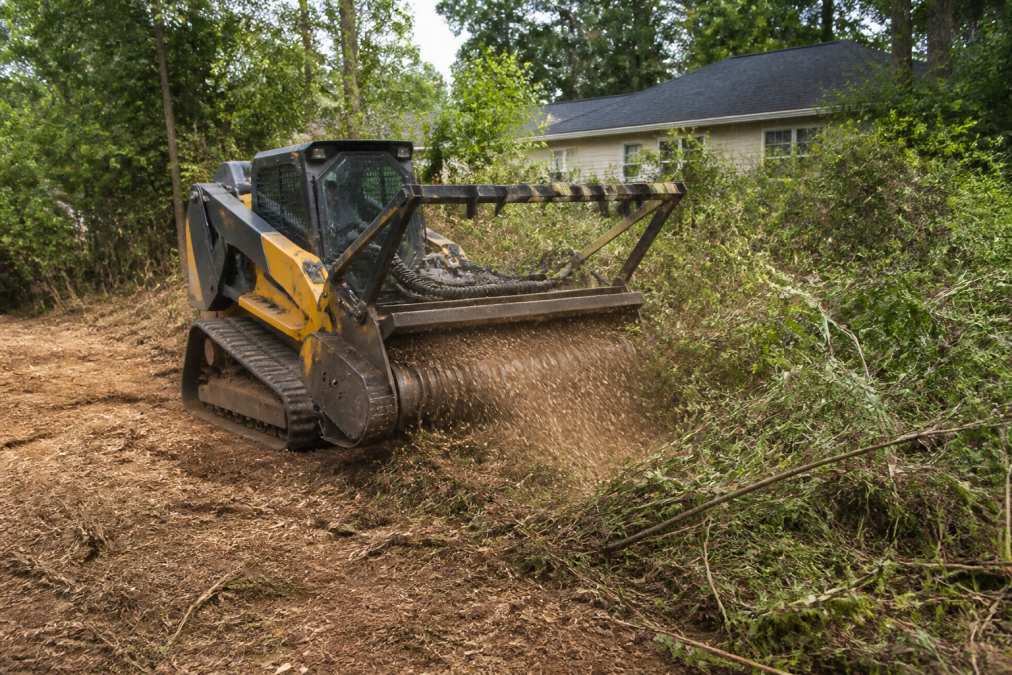
The method matters as much as the outcome. Forestry mulching grinds vegetation on-site and leaves nutrient-rich mulch that improves soil health and prevents erosion. Traditional methods like burning or bulldozing often leave land degraded and prone to erosion. Professional contractors assess terrain, identify obstacles, and plan the approach before equipment arrives, preventing costly surprises. Most provide transparent estimates based on acreage, vegetation density, and site challenges. Work typically includes debris removal or management, site grading to improve drainage, and final cleanup.
Forestry Mulching Cost Per Acre and Pricing Models
Forestry mulching cost per acre depends on vegetation density, tree size, terrain difficulty, and equipment availability. Properties with thick brush and small trees cost less per acre than those with large standing trees or rocky terrain. High-horsepower equipment handles multi-acre projects more efficiently than smaller machines.
Pricing typically falls into two categories: hourly rates for uncertain scopes and project-based quotes after site assessment. Most companies provide free quotes and on-site walkthroughs for accurate estimates. Hidden obstacles, large stumps, buried debris, or rocky soil can change the scope significantly.
Request site assessments from multiple contractors before deciding. A contractor who walks the property will spot problems that a phone quote will miss.
Forestry mulching often costs less than traditional clearing when you factor in debris disposal fees, hauling costs, and soil remediation. Leaving nutrient-rich mulch on-site eliminates tipping fees and improves soil structure. Ask whether quotes include site cleanup, mulch spreading, and grading.
Land Clearing Permit Requirements You Need to Know
Permit requirements vary significantly by locality and property type. Understanding which agency to contact and what triggers a permit requirement prevents delays and fines.
State and County-Level Triggers
The Virginia Department of Forestry requires notification for forest management on properties over 5 acres, though county zoning offices often impose stricter rules. Most jurisdictions require permits for:
- Clearing within 100 feet of a stream, creek, or wetland (Virginia’s Water Protection Ordinance)
- Removal of trees in designated forest conservation areas or riparian buffers
- Clearing more than 0.5 acres on environmentally sensitive land
- Grading or site disturbance on slopes steeper than 15 percent
- Removal of heritage or specimen trees (typically over 24 inches in diameter)
Contact your county planning and zoning office before hiring a contractor. Processing times typically range from 2 to 4 weeks, so factor this into your timeline.
Erosion and Sediment Control Plans
Properties with slopes, drainage toward neighbors, or proximity to waterways may require an erosion and sediment control (ESC) plan before clearing begins. ESC plans are often required on properties larger than 1 acre or on slopes exceeding 10 percent grade.
Skipping this step can result in project shutdowns and fines up to $10,000 per day of violation.
Environmental and Habitat Protections
If your property is near designated wildlife habitat, contains rare plant species, or falls within a conservation easement, additional environmental review may be required. The county environmental or planning department can check whether your property is flagged. These reviews typically add 4-8 weeks to the timeline and cost $1,500-$3,500.
Who Handles Permits: You or the Contractor?
Clarify this in your contract. Some contractors include permit research and application in their bid; others expect the owner to obtain permits before work begins. Responsible contractors will review permit requirements, clearly state who handles permitting, provide a timeline accounting for processing, and stop work if a required permit is discovered mid-project.
If a contractor says "permits aren’t necessary" or "we don’t worry about them," that’s a major red flag.
Clearing without required permits can result in fines of $1,000-$10,000 per day of violation, orders to restore the land at your expense, and legal liability for environmental damage. Always verify permit requirements with your county planning office before signing a contract.
Stump Removal and Site Preparation Services
Stump removal and site preparation are often separate from initial clearing but equally important for making land usable. Stumps prevent grading, create tripping hazards, can regrow, and attract insects.
Stump Grinding and Root Removal
Stump grinding uses a rotating cutting wheel to pulverize the stump and roots down to 8-12 inches below ground. The process produces wood chips that can be left as mulch or removed. Most contractors leave chips because they improve soil structure and prevent erosion.
Site Preparation and Grading
Site preparation includes grading to improve drainage, removing rocks and debris, and leveling areas for construction or pasture. Proper grading prevents water pooling, reduces erosion, and creates a stable foundation.
The sequence of work matters: clear vegetation first, remove stumps, grade and prepare the site, then perform final cleanup. Professional contractors coordinate this sequence to minimize disruption.
Post-Clearing Soil Health and Regrowth Prevention
Bare soil exposed to rain and sun is vulnerable to erosion, compaction, and invasive regrowth. Leaving forestry mulch on-site protects soil, retains moisture, and suppresses invasive species. A 3-4 inch layer reduces erosion by up to 90 percent.
If the land will remain undeveloped, consider seeding with native grasses or cover crops immediately after clearing. This prevents erosion and suppresses invasive weeds. Native seed mixes cost $50-$150 per acre.
Without intervention, a cleared property can become overgrown again within 2-3 years. Prevent this by maintaining mulch coverage, mowing 2-3 times per year, applying herbicide to cut stumps, and removing new seedlings.
Drainage Solutions and Soil Stabilization
For properties with complex drainage challenges, contractors may recommend French drains, swales, or berms during site preparation. These features are much cheaper to install while equipment is on-site than to add later.
Site preparation done right prevents future erosion, drainage, and maintenance problems. A properly graded, mulched, and protected property is more valuable, safer, and requires less ongoing management.
How to Choose a Land Clearing Company
Choosing a land clearing company depends on three core factors: equipment and operator experience, insurance and licensing, and transparent pricing with honest site assessment.
Equipment and Operator Experience
The right equipment depends on acreage, vegetation type, and terrain. Ask contractors what equipment they own and operate. Operators who own varied equipment, skid steers for tight spaces, high-horsepower mulchers for large acreage, excavators for complex site prep, can match the tool to the job.
Experience matters significantly. An inexperienced operator can tear up topsoil, create erosion channels, or leave the property in worse condition. Ask how long the company has been in business and whether the owner operates equipment personally. Owner-operated businesses often deliver better results because the owner’s reputation is on the line.
Insurance and Licensing
Professional contractors carry liability insurance and workers’ compensation coverage. Ask for proof of current insurance before signing a contract. Verify coverage limits are adequate for your property size and work scope.
Check with your state’s licensing board to understand what applies. At minimum, the contractor should be registered as a business with a valid tax ID. Request references from recent similar projects and call them with specific questions about timeliness, final results, handling of obstacles, and pricing accuracy.
Transparent Pricing and Site Assessment
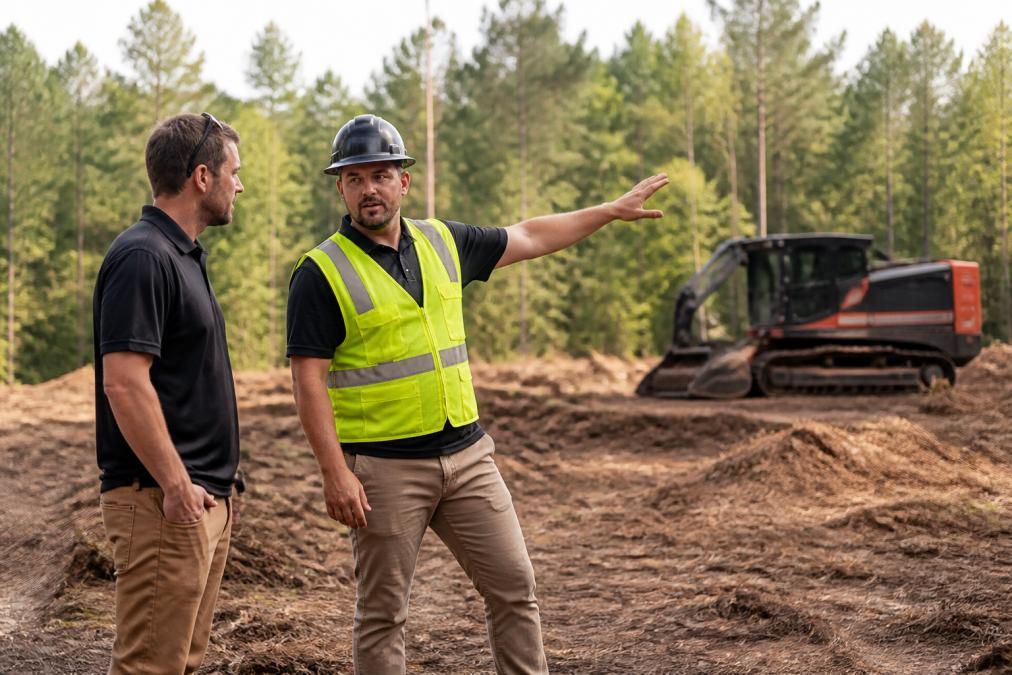
Reputable contractors provide free site assessments and detailed written estimates. The estimate should break down scope, equipment, timeline, and total cost, and list what’s included and what costs extra.
Be wary of quotes that seem too cheap. A significantly lower price often means cut corners, smaller equipment, or rushed work. Ask how the contractor will handle unexpected obstacles, will they stop and contact you, or proceed and charge extra?
Common Mistakes to Avoid When Hiring a Contractor
The biggest mistake is hiring based on price alone. A cheap quote often signals corners cut or work underestimated, resulting in change orders or improper clearing.
Don’t hire a contractor who won’t walk the property or quotes over the phone based on acreage alone. Every property is different. Confirm permit requirements with your local planning office before hiring anyone, and avoid contractors who won’t provide references or proof of insurance.
Choosing a professional land clearing company transforms overgrown land into usable, safe property. The process starts with understanding what you need and finding a contractor with the right equipment, experience, and insurance. Timber Shredders LLC brings professional equipment, experienced operators, comprehensive property assessment, and clear project planning to every job, ensuring your land is reclaimed fast and prepared for its next use. Get a free quote and site assessment to understand exactly what your property needs and what the work will cost.
Frequently Asked Questions
How much does it cost to clear an acre of land?
Land clearing costs depend on vegetation density, terrain, equipment required, and debris removal method. Forestry mulching typically costs less than traditional clearing because it grinds vegetation on-site rather than hauling it away. Dense brush with stumps costs more than light underbrush. Request a free site assessment from a local land clearing company to get an accurate quote for your specific property.
Do I need a permit to clear land on my property?
Permit requirements vary by locality. Many jurisdictions require permits for land clearing, especially if trees exceed a certain size or if the property is near wetlands or waterways. Contact your local county or city planning department to verify requirements before starting. A professional land clearing contractor familiar with local regulations can guide you through the permitting process.
What is the difference between forestry mulching and traditional land clearing?
Forestry mulching uses a specialized machine to grind vegetation into fine mulch on-site in a single pass, preserving topsoil and preventing erosion. Traditional clearing involves cutting trees, removing stumps with heavy excavation, and hauling debris away. Forestry mulching is faster, cleaner, and leaves nutrient-rich mulch that improves soil health. Traditional clearing is better for projects requiring complete debris removal or bare ground.
What should I look for when hiring a land clearing contractor?
Verify the contractor is fully insured and licensed. Ask about their equipment and operator experience with your specific terrain and vegetation type. Request references and a detailed site assessment before pricing. Confirm they provide transparent, written estimates with no hidden costs. Check that they understand local permit requirements and will handle cleanup and debris removal as promised.
This article was written using GrandRanker