
An old field near Brookneal can lose ground a little at a time. Brambles lean into the grass, saplings establish along the edge, and a once-open corner becomes difficult to reach. Recovering that space works best when the owner defines a boundary and decides how the area will be managed afterward. The goal is an edge that stays accessible.
Locate the former usable edge
Walk the transition between field and woods before deciding how far to clear. Look for old mowing lines, fence remnants, drainage features, and changes in vegetation. Historic use can provide clues, but it does not establish a property boundary. Confirm the limits of your land and mark the work. Identify any areas that should remain undisturbed.
Choose an edge you can maintain
A series of pockets may leave awkward corners for a mower. A continuous curve can be easier to follow, provided it fits the terrain and avoids vegetation you want to keep. Plan turning space where equipment reaches the end of a run. Consider the reach and limitations of your maintenance equipment before setting the line.
Describe the next use
Recovering ground for occasional access is different from preparing a field for regular mowing, fencing, or another agricultural use. Explain the next step during the estimate. Mulching can reduce suitable brush while leaving woody material and cut stems on the surface. It does not guarantee that a finish mower can immediately travel across the reclaimed strip without further preparation.
Inspect obstacles along the boundary
Field edges often collect things that are hard to see from the open grass: wire, old posts, discarded materials, stones, and fallen limbs. Point out anything you know about. Trees that have grown around fencing need individual assessment. Where the growth is dense, the contractor may need to expose obstacles gradually rather than make a continuous pass along the edge.
Retain features with a purpose
Not every wooded projection into a field needs to disappear. A shade tree, a privacy screen, or a patch of vegetation may fit the property plan. Mark those features clearly. Discuss how the finished edge should connect around them so they remain intentional parts of the layout instead of becoming islands that are difficult to maintain.
Plan for the first growing season
New shoots and seedlings can appear after the initial clearing. Walk the reclaimed edge regularly and control suitable regrowth while it is manageable. Inspect the surface before introducing mowing equipment. If your long-term plan includes grass establishment, discuss the remaining woody material, soil condition, and any additional preparation with the person handling that work. Clearing is the beginning of ongoing management.
Request a Brookneal field-edge estimate
Photographs looking along the entire edge help Timber Shredders understand the shape of the job. Include the length, width, access point, and intended future use. Identify whether the work includes isolated corners or a continuous perimeter. A scope makes it easier to compare options and reclaim ground without committing to unnecessary clearing across the rest of the property.
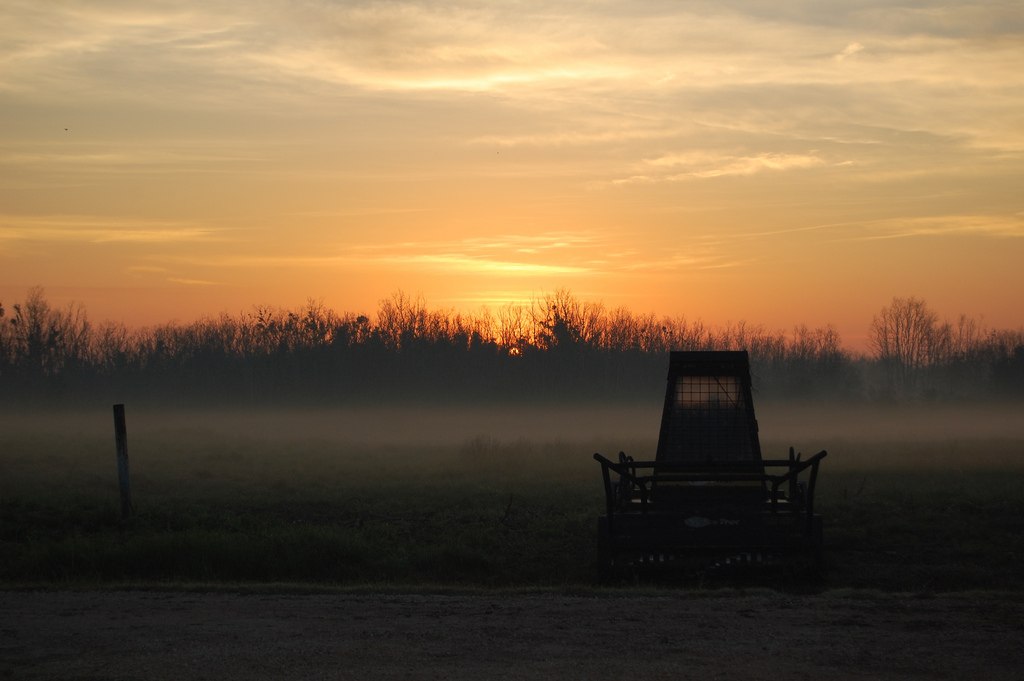
Equipment example photograph: U.S. Fish and Wildlife Service, public domain. Resized for web. Photo depicts equipment in another setting, not a Timber Shredders project in Brookneal.
